Audio Stories vs Podcasts — One Is Made for Everyone. One Is Made for You.
You reach for your phone. You open the podcast app. You scroll. Nothing feels right. This is not a coincidence.
Cast your story. We write and narrate it
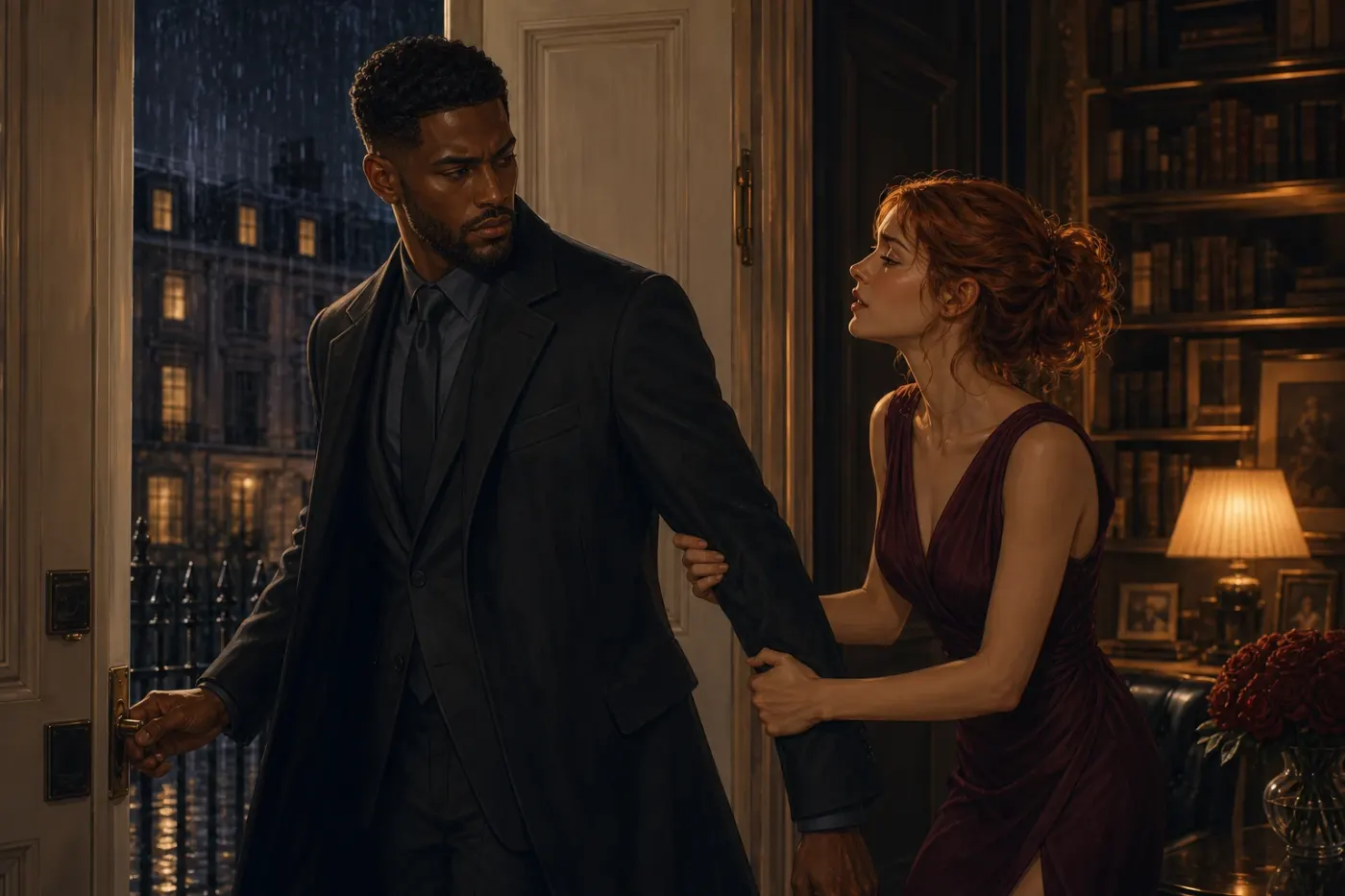
The Problem With Podcasts at Night
Podcasts are one of the most successful media formats ever created. Billions of hours consumed every year. Loyal audiences. Extraordinary range — true crime, business, comedy, culture, science, storytelling. If you want to be informed, entertained, or intellectually engaged, there is almost certainly a podcast that does it brilliantly.
This is not a case against podcasts.
It is a case for understanding why podcasts — even the ones you love — often fail you in the specific moments you reach for them most. The late evenings. The wind-down hour. The space before sleep when you want to feel something quiet and personal rather than broadcast-at.
Podcasts were built for public consumption. They are designed, produced, and distributed with a general audience in mind. The host does not know you. The episode was recorded weeks ago for whoever happens to press play. The tone is calibrated for engagement — which is exactly the opposite of what you need when you are trying to disengage.
A personalised audio story was built for private consumption. It exists for one listener. It was shaped around your current mood, your preferences right now, the specific emotional experience you needed when you asked for it.
The difference between these two formats is not about quality. Some podcasts are masterpieces of their form. The difference is about intention — and that intention determines everything about how the experience lands when you are lying in the dark trying to feel something other than what the day left behind.
What Podcasts Are Genuinely Brilliant At
Before making the case for what podcasts cannot do, it is worth being precise about what they do exceptionally well.
Podcasts are the ideal format for learning while doing — absorbing information during a commute, a run, household tasks. For staying informed on news, culture, and ideas without reading. For the specific pleasure of a regular host relationship — the feeling of tuning into someone you trust weekly. For true crime, comedy, and long-form interviews where sustained attention is rewarded.
The podcast format rewards curiosity, engagement, and the desire to be part of a conversation happening between a host and the wider world. Millions of people structure their weeks around their favourite shows. This is a genuine and valuable relationship with audio content.
But notice what all of this requires: active engagement. The willingness to be addressed as part of a large audience. Cognitive availability. The ability to follow an argument, a narrative, or a conversation that was designed for general consumption rather than your specific state.
These requirements are fine at noon. They become a problem at 11pm.
Why Podcasts Fail the Evening Listener
There is a specific failure mode that podcast listeners experience regularly and rarely name accurately.
You are tired. The day is done. You reach for your phone and open the podcast app. You scroll through the feed — episodes you've been meaning to get to, new releases, things friends recommended. Nothing feels right. You start something. You listen for eight minutes and realise your mind has gone somewhere else entirely. You restart. You try something else. Twenty minutes later you are still scrolling and now you are also slightly more awake than when you started.
This experience is not about the quality of the podcasts. It is about a structural mismatch between what the format demands and what you can offer at that hour.
Podcasts make cognitive demands. They ask you to follow an argument across forty minutes. To care about the guest's story arc. To hold context from the beginning of the episode when you are in the last ten minutes. To remain the kind of engaged listener the host is speaking to.
At the end of a long day, that cognitive availability may simply not exist. And when a format asks more than you have, the result is the scrolling loop — the search for something that requires less, that meets you where you are rather than where the host assumes you are.
Personalised audio stories make no cognitive demands. They ask only that you listen. The story goes where you directed it before it began. The tone matches your current state. Your mind can follow it without effort — and in following without effort, finally releases the day.
The Fundamental Difference — Broadcast vs Private
The deepest distinction between podcasts and personalised audio stories is not length, genre, or production style. It is the direction of travel.
A podcast is a broadcast. It moves from one creator outward toward a mass audience. Even the most intimate, confessional, carefully crafted podcast is fundamentally a public act — made to be heard by thousands or millions, optimised for a general listener, existing in a shared cultural space.
A personalised audio story moves in the opposite direction. It begins with you — your preferences, your mood, your needs right now — and moves inward toward a single listener. It is not optimised for a general audience because there is no general audience. There is only you.
This distinction matters most in the specific moments when you most want to feel that something was made for you rather than broadcast at you.
Private audio content designed around individual preferences creates a qualitatively different listening experience than any public broadcast can produce. Not because it is better produced — because it is specifically yours. Your imagination recognises the fit. Your mind relaxes into content that was shaped around it rather than content it has to shape itself around.
This is the shift from consumer to recipient. From audience member to the only person in the room.
When to Keep the Podcast — and When to Switch
The choice is not permanent and it is not absolute. Podcasts and personalised audio stories serve different listening occasions.
- Keep the podcast for morning commutes when your mind is fresh
- Keep the podcast for exercise and active listening
- Keep the podcast for learning something specific
- Keep the podcast for the lunch hour with cognitive availability to spare
- Reach for a personalised audio story when it is evening and the day has been a lot
- Reach for a personalised audio story when you are winding down and need something that winds down with you
- Reach for a personalised audio story when you want to feel something specific rather than consume something general
- Reach for a personalised audio story when you are in bed and need your mind to slow rather than engage
- Reach for a personalised audio story when you have scrolled the podcast feed for ten minutes and nothing feels right
Podcasts vs Audio Stories for Relaxation — The Full Picture
The category of podcasts vs audio stories for relaxation reveals an important truth about audio content that the podcast industry rarely acknowledges: engagement and relaxation are in tension with each other.
The qualities that make a podcast excellent — compelling host, interesting ideas, narrative momentum — are the same qualities that keep you awake. The format is optimised for attention, not for release.
Alternatives to podcasts for listeners who want to wind down are genuinely limited. Music works for some people some of the time. Meditation apps ask too much of an already tired mind. Audiobooks require the sustained engagement of following someone else's narrative. White noise and ambient sound fill the silence without giving the mind anywhere to go.
Personalised audio stories fill this gap specifically. They are engaging enough to redirect an active mind away from the day. They are calm enough to carry that mind toward rest. They are personal enough to feel like they were made for right now — because they were.
Audio stories instead of podcasts at night is not a permanent replacement for a format that serves you well at other times. It is the right tool for the specific job of winding down — which podcasts, for all their excellence, were never designed to do.

| Feature | The Private Story | Podcasts |
|---|---|---|
| Content personalisation | Created around your mood and choices right now | Made for a general audience; the same for everyone |
| Cognitive demand | Passive — no narrative tracking required | Active — follow hosts, arguments, story arcs |
| Wind-down effectiveness | Paced and toned for relaxation | Optimised for engagement — keeps the mind active |
| Privacy | Private account; no public listening history | Listening data shared with platform and advertisers |
| Length | around 10 minutes, depending on voice selection — complete in one session | 20–90 minutes; often left partially listened |
| Content register | Literary, intimate, emotionally calibrated | Ranges widely; romance limited |
What the Experience Feels Like — The Contrast
Two versions of the same evening:
You open the app. You scroll. You start an episode — it's good, actually, but your mind keeps slipping. The host is talking about something you'd find interesting tomorrow. Right Now you can't hold the thread. You listen to half of it. You switch to something shorter. You're still awake.
You make three choices that take ninety seconds. A story is made around those choices. You put in your headphones. The voice starts. It is unhurried — paced for exactly the mood you described. Your mind follows it. The day recedes. At some point you realise you're not thinking about anything except the story. Shortly after that you are not thinking at all.
The podcast app will be there tomorrow. The episode you couldn't follow last night will feel different when your mind is rested and available. Podcasts are morning and midday content for a reason — not because they aren't excellent, but because what they ask of you is better matched to a mind that has something to give. Right Now was for something else.
The podcast scroll at night is a symptom. There is an answer that isn't another podcast.

Ready when you are
A story made for you, in about a minute. Heard only by you.
Cast your story →The Benefits of Choosing Audio Stories Over Podcasts at Night
Podcasts require sustained engagement. Personalised audio stories require only that you listen. The distinction matters enormously at the end of a long day when cognitive availability is low and the need for genuine rest is high.
Podcasts are shaped around their host's agenda and audience. Your story is shaped around your mood right now — the pacing, tone, and emotional destination all reflecting what you chose when you asked for it.
Podcasts exist in a public cultural space even when you listen alone. Your personalised audio story exists only in your account, heard only by you, shaped only around your preferences. The privacy is structural, not just a setting.
The podcast feed scroll at night is one of the most counterproductive things you can do before sleep — screen time, decision fatigue, the low-grade frustration of nothing feeling right. Creating a personalised audio story takes ninety seconds and produces something that fits.
Podcasts at their best feel like a host who gets you. Personalised audio stories feel like something made specifically for you — because they were. The distinction in how this lands emotionally is immediately apparent.
Podcasts were designed for engagement. Personalised audio stories were designed for the exact hour when engagement is not what you have to offer — when what you need is something that does the work for you.

The Podcast App Will Be There Tomorrow Morning
The podcast scroll at night is a symptom. The search for something that matches your current emotional state, that feels private and personal rather than public and general, that asks nothing of you except to receive it — that search has an answer that is not another podcast.
Audio stories instead of podcasts at night is the right tool for a specific job: winding down an active mind, carrying a tired person toward rest, and providing the specific experience of something that was made for you rather than broadcast at you.
For listeners in particular, who have spent years reaching for podcast apps at night and experiencing the scrolling loop, the distinction between a format designed for engagement and a format designed for release is not academic. It is the difference between lying awake listening to half an episode and waking up in the morning having slept.
What The Private Story provides is the format for the evening. The podcast app will be there when you need it — in the morning, on the commute, during the run. Right Now, something was made for you.

How It Works
Tell us how right now feels and what you need. Calm and warm. Gently atmospheric. Slow burn tension. Emotionally connecting. Your choice determines everything — the pacing, the voice, the world of the story. Less than two minutes.
Not retrieved. Not selected from a catalogue. Generated around your selections, now, for this session. The story exists because you needed it right now — it did not exist before you asked for it.
Saved to your account, heard only by you. No public feed. No shared library. No algorithm broadcasting your preferences. Entirely private, entirely personal.
Frequently Asked Questions
What is the difference between a podcast and an audio story?
A podcast is a public broadcast — produced for a general audience, released on a schedule, the same for every listener regardless of when or why they tune in. A personalised audio story is created around a single listener's mood and preferences at the moment they request it. Podcasts are designed for engagement and information. Personalised audio stories are designed for emotional experience and rest. The direction of travel is opposite: podcasts move from creator to mass audience, personalised audio stories move from your preferences inward toward a single listener.
Can audio stories replace my evening podcast habit?
For evening and pre-sleep listening, personalised audio stories are significantly more effective than podcasts at producing the experience most people are actually looking for at that hour — something calming, personal, and requiring nothing of an already tired mind. This does not mean giving up podcasts entirely. Most listeners find podcasts serve them well during active hours and personalised audio stories serve them better during wind-down and sleep hours.
Why don't podcasts help me wind down?
Podcasts are optimised for engagement — which is the opposite of what winding down requires. The qualities that make a podcast good (compelling host, interesting content, narrative momentum) are the same qualities that keep your mind active and alert. Personalised audio stories are toned and paced for the specific purpose of helping an active mind slow down, which is why they work in the wind-down window where podcasts consistently fail.
Are personalised audio stories like a private podcast?
The comparison is useful but incomplete. Like a podcast, a personalised audio story is audio content delivered to your ears. Unlike a podcast, it was created around your specific mood and preferences rather than produced for a general audience. It is private by design — not available to other listeners, not part of a public feed, not optimised for anyone except you. The experience of listening is fundamentally more personal than any podcast can be, because the content itself was made for you.
What makes audio stories more relaxing than podcasts?
Three things. First, no cognitive demands — audio stories ask only that you listen, where podcasts ask you to follow an argument or narrative requiring active engagement. Second, personalisation — a story toned around your current mood works with your natural wind-down process rather than against it. Third, privacy — content that was made for you and exists only for you creates a qualitatively different listening experience than a broadcast designed for millions.
How are audio stories different from narrative podcasts?
Narrative podcasts — scripted fiction podcasts, audio dramas — are closer in format to audio stories than interview or discussion podcasts. But they share the same fundamental characteristic: they were made before you arrived, for a general audience, with a fixed narrative that goes where the creator decided it goes. A personalised audio story is created in response to you — your mood, your preferences, your direction. The narrative serves your emotional needs rather than the creator's vision.
Is there an audio story platform for grown-up listeners?
The Private Story is a personalised audio story platform. It creates literary romance around your mood and preferences — private, emotionally intelligent, fade before the act. Unlike podcast platforms, there is no public feed, no shared content library, and no social component. Everything is created for and heard by you alone.
Right Now, something was made for you.
The podcast scroll ends here.
Three choices. Ninety seconds. A story shaped around your mood right now — paced for exactly the version of you that showed up at the end of this day.
Not broadcast at you. Made for you.
Create your first storySee pricing · Personalised audio stories — how it works · Create your own audio story
Cast your story. We write and narrate it
Explore Related
Personalised audio stories · Private audio stories · Create your own audio story · Discover all story types