Second Chance Romance Audio Stories — When the History Is Already Written
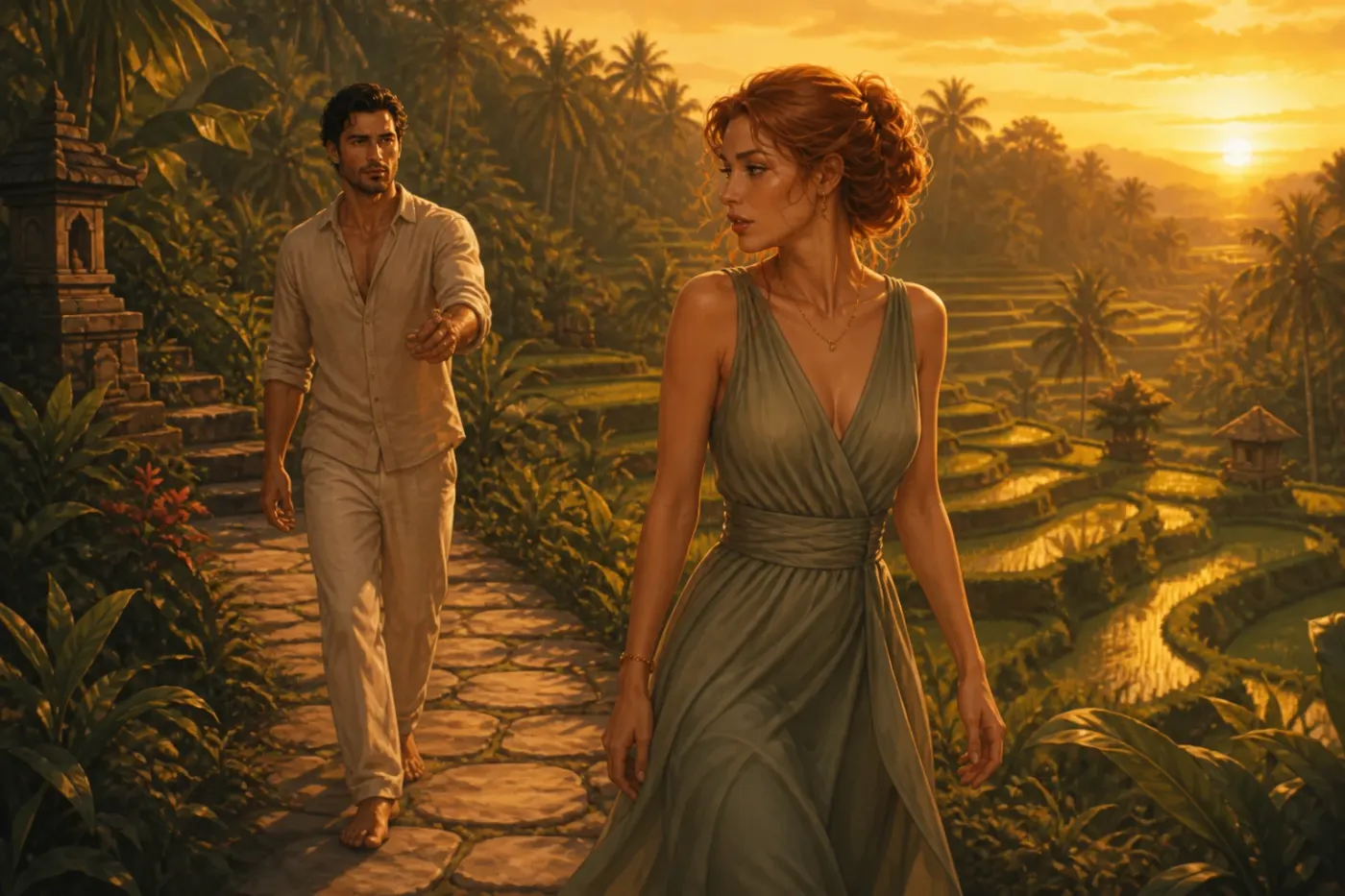
He walks back into the room a decade after the room last held him. Whatever has happened in the meantime, the way the air changes when he looks at her has not changed at all.
Cast your story. We write and narrate it
What a Second Chance Story Actually Is
Second chance romance is structurally distinct from every other romance trope because of one fact: the love story has already happened once. The characters are not strangers, not enemies, not colleagues meeting for the first time across a desk. They are people who have a specific, finished, partial history with each other — a history that ended for reasons that were once decisive and that may, on reconsideration, look different now. Whatever the new story will become, it begins inside a body of knowledge that is already there.
This changes the texture of everything. The first scene is not an introduction; it is a resumption. There is no need to establish that the chemistry exists — both characters know it does, because both characters were inside it the first time. The question is not whether the feeling is there. The question is what the feeling is, now. Whether what was true then is still true. Whether the reasons it ended still apply. Whether the people they have become can hold what the people they were could not.
The narrative engine is therefore re-evaluation rather than discovery. Each scene is, in some respect, a re-examination of an earlier scene that did not survive intact. The conversation across a kitchen table is also the memory of every conversation across every earlier table. The way he looks at her is also the way he used to look at her, plus the years that have passed, plus what those years have done to the looking. The narrative density of second chance fiction comes from this layering. Every present moment is in conversation with a past moment the listener is being shown only obliquely.
Second chance romance audio stories work because the first-person voice carries the layering precisely. The narration does not need to flashback explicitly to render the past — the narrator is already carrying it. The way she registers the present moment is shaped by what she knows the present moment is being measured against. The listener hears, in the texture of the voice, the entire weight of the prior story even when no one is naming it.
The Specific Quality of Re-Encounter
The opening of a second chance story is one of the most distinctive moments in romance fiction. Two people who used to know each other are in the same space again. The mechanics of the moment — the recognition, the small adjustment of the face, the conversation that has to find a register because the old register is no longer available and the new one has not been negotiated — produce a particular kind of charge that no other premise generates.
The re-encounter has weight in proportion to what is unfinished. If the old story ended cleanly, with mutual acknowledgement and a settled goodbye, the re-encounter is still emotionally loaded but is not unstable. If the old story ended in ambiguity, in interrupted timing, in something one or both of them never said, the re-encounter is structurally combustible. The story lives in the space the original ending failed to close.
This is why second chance fiction so often opens at the wedding, the funeral, the school reunion, the work event that put both names on the same guest list — because these are the structural occasions on which old endings get re-examined whether the participants want them to or not. The shared event provides the architecture for the re-encounter. The participants did not engineer it; the situation did. The fact that they are here, in this room, at this table, with this person they used to know, is not a choice either of them made on their own behalf. The circumstances delivered them.
Audio fiction inhabits the re-encounter with particular fidelity because the first-person voice is doing the calibration in real time. The listener hears the narrator finding her register — the careful pacing of the first conversation, the quiet inventory of what has changed about him and what has not, the precision of what she does and does not allow her face to do. The opening scene is often the most charged in the entire story, because everything that follows is being set up by it.
What Has Changed and What Has Not
The middle of a second chance story is built around a specific question that other romance structures do not need to ask: which version of this person is the real version, and which version of me is. The original story took place between two earlier selves — younger, less formed, with different limits and different fears. The current story is between the people those selves became. Whether the love that worked between the earlier versions can survive the translation into the current ones is the question the narrative is actually testing.
This is also where the trope's emotional precision becomes apparent. Second chance romance, at its best, is not about pretending the intervening years did not happen. It is about reckoning with what they did. He has had a marriage that ended. She has built a life that the earlier her would not have predicted. Both of them are carrying experience the other was not present for. The story that is now possible between them is shaped by this experience — not in spite of it, but through it.
The most accomplished second chance fiction makes the intervening time visible without dramatising it. The narrator is rarely walking the listener through the divorce or the career change in detail. Instead, the years are present in the texture of how the characters now occupy themselves — the way he holds his glass, the way she has learned not to apologise for the question she actually wants to ask. The intervening years are written in the body and in the prose. The listener hears them.
What the present can offer that the past could not is the experience of choosing each other from inside lives that have already been lived. The first time was provisional, in the way most first times are. This time is not. The Private Story creates second chance romance audio stories that take the layering seriously — the past that is present, the present that has been earned, and the question of whether the love the earlier versions built can be held by the people they have become.
The Range of the Trope
Second chance romance is more varied than the shorthand suggests. The shape of the prior history determines the texture of the new story, and the range is wide enough that what works in one register would not work in another.
The college relationship that ended at graduation has a particular character — both characters were forming themselves at the time, the ending was as much a function of life-stage transition as of the relationship itself, and the re-encounter a decade later finds two people who have become themselves and are now looking at each other with the additional context of who they each were when they were not yet finished. The longing is for the people they were as much as for what they had.
The interrupted-by-circumstance story has a different register. The relationship was working, and was ended by something external — a job that took one of them somewhere else, a family situation that required a different decision, a timing that did not allow them to choose. The unfinished quality is acute. The re-encounter raises a specific question: what would have happened if the circumstance had not intervened, and what would happen if the circumstance no longer applies?
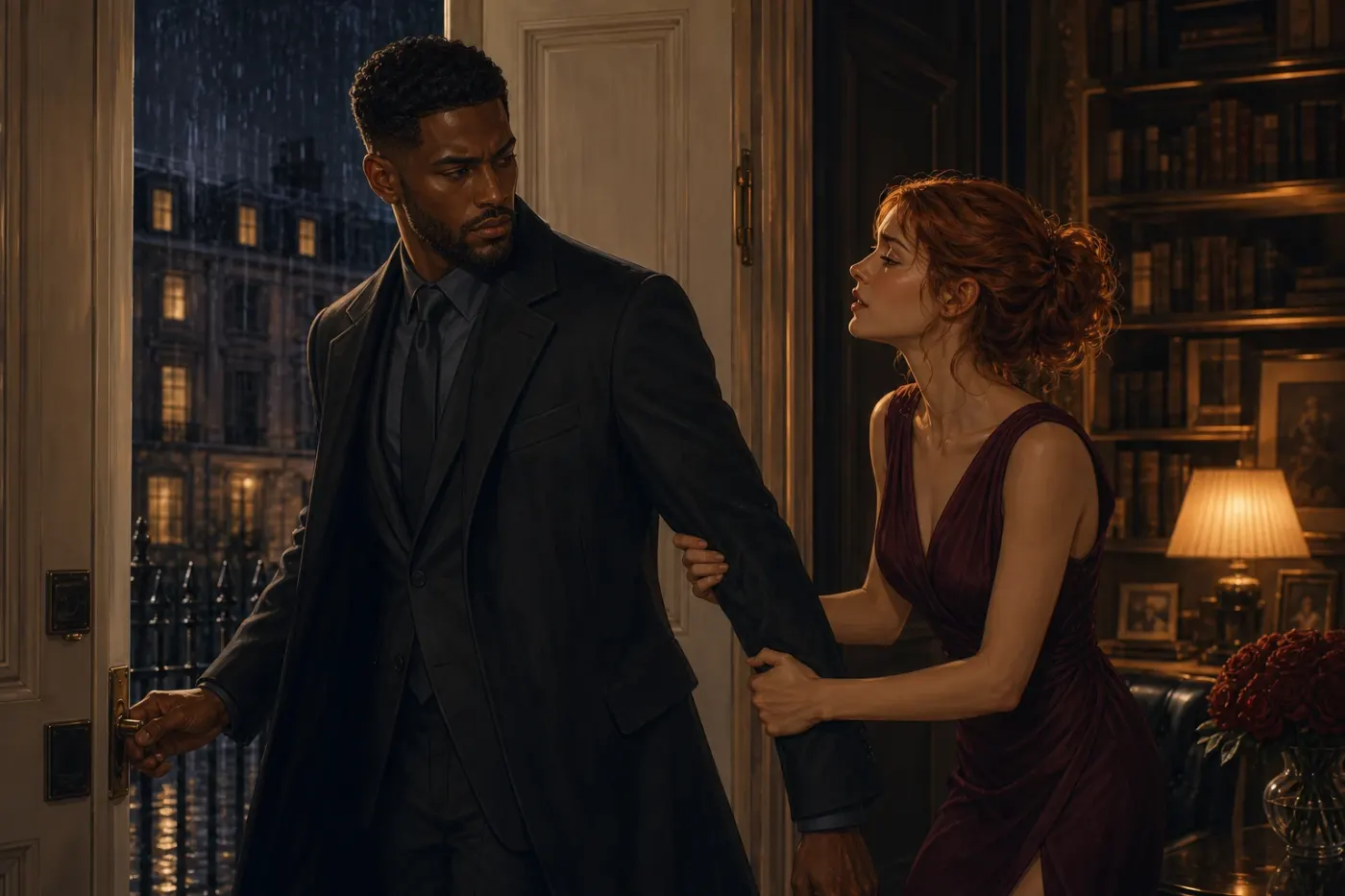
The marriage that did not survive — the most demanding register — has its own specific weight. These are people who chose each other completely and could not make it work. The re-encounter is loaded with the knowledge of what came after the choice. Forbidden romance audio stories and slow burn audio sometimes overlap with second chance, but the trope itself is defined by the prior history, not by the obstacle in the present.

Three Second Chance Stories — Three Different Pasts
The shape of the prior history determines the texture of the new story. These are starting points; the story is built around the brief you bring.
A mutual friend is getting married. The seating chart was decided weeks ago by someone who did not know the history. The first sight of him is across the rehearsal-dinner table; the first conversation is at the bar afterwards because no one else is there and the silence had become more conspicuous than the talking. What develops over the long weekend, in the gaps between the ceremony and the dinner and the drives back to the hotel, is what the original ending failed to settle — re-opened by an occasion neither of them engineered.
She left after university; he stayed. A decade and an entirely different city later, the circumstances that send her back are practical — the job, the parent, the pause she did not plan for. The town she returns to is recognisably the town she left, and one of the people in it is still recognisably him. The first encounter is at the supermarket; the first real conversation is somewhere quieter, two evenings later. What unfolds is shaped by both of them having become someone the earlier version could not have foreseen, and by the specific question of whether what they had was a function of who they were then or of something more durable.
There is no occasion. No wedding, no return. He has been thinking about her in a way he has not allowed himself to think about her in years, and one evening he writes the message he has rewritten and not sent before. The reply, when it comes, is brief and specific. The conversation that follows develops slowly, sentence by sentence, across days and then weeks. By the time they meet again, the meeting has been earned by the long quiet correspondence — and the question of whether the present can hold the past has already been partly answered by the way both of them have written to each other.
You shape the prior history, the reason it ended, and the occasion of the re-encounter. The story inhabits what becomes possible between people who already have weight with each other.

Ready when you are
A story made for you, in about a minute. Heard only by you.
Cast your romance →Why Second Chance Audio Works
Second chance fiction does not need to establish chemistry — both characters have already been inside it. The story can invest immediately in re-evaluation, which is where the trope's specific charge lives.
The first-person voice carries the calibration of the opening scene with a fidelity text cannot match — the careful pacing, the inventory of what has changed, the precision of what she does not allow her face to do.
Second chance stories at their best do not flashback or explain. The years are present in how the characters now occupy themselves. Audio narration carries this layering in every sentence.
The shape of what they had, the reason it ended, the years that have passed, the occasion of the re-encounter — you set the variables, and the story is built around what they make possible.
Second chance romance is one of the most demanding tropes to write because it must hold the past and the present simultaneously. The Private Story creates stories that take the demand seriously — and reward it.
Saved to your private account and audible only to you. No social layer, no public history. Privacy is structural, not a setting.

Second Chance Romance Audio Stories — The Full Picture
Second chance romance is structurally distinct from every other trope because the love story has already happened once. The characters arrive into the new story carrying a specific and finished prior history, and the narrative engine is re-evaluation rather than discovery. What was true then. What has changed. Whether the people they have become can hold what the people they were could not.
Second chance romance audio stories at The Private Story are built around this principle. The creation flow allows you to specify the shape of the prior history — the college relationship, the interrupted partnership, the marriage that did not survive, the long friendship that crossed a line and recrossed it — and the story is generated to inhabit the layering that this prior history produces in the present.
Audio is the right form for second chance fiction because the first-person voice carries the past as part of how it occupies the present. The narrator does not need to flashback to render the prior story — the way she registers a present moment is shaped by what she knows the present moment is being measured against. The listener hears the entire weight of the earlier history in the texture of the voice.
What separates an accomplished second chance story from a weaker one is investment in the layering rather than the explanation. Not the recap of what happened before, but the way the past is present in every present moment. The Private Story creates stories that take the layering seriously — generated by Mistral Large around your specific brief, narrated in the voice you choose.
Last updated: April 2026.
How It Works
The shape of what they had — the college relationship, the interrupted partnership, the marriage, the long friendship that became something and then unbecame it. The reason it ended. The years that have passed. Begin in the Casting Room.
An original second chance narrative built to inhabit the re-encounter, the re-evaluation, and what becomes possible between people who have a specific and finished prior history. Generated for this session by Mistral Large; narrated in the voice you choose.
Saved to your private account and audible only to you. No social features, no public history, no visible activity. The kind of fiction that lives inside accumulated personal weight suits a listening experience that belongs entirely to you.
Frequently Asked Questions
What is second chance romance?
Second chance romance is a structure in which two characters with a specific finished prior history are placed in a present situation that re-opens what the past failed to settle. They are not strangers; they are people who already know each other, who have already been inside the chemistry, and who are now in a position to ask whether what was true then is still true. The narrative engine is re-evaluation rather than discovery, which gives the trope its distinctive emotional density and makes it particularly well-suited to readers and listeners who are interested in what time does to feeling.
How is second chance different from forbidden romance?
Forbidden romance is defined by a present-tense obstacle — something about the current situation that should keep the characters apart. Second chance is defined by the prior history — the love story that has already happened once, with its own ending. The two can overlap (a second chance can also be forbidden), but the underlying mechanism is different. Forbidden lives in the obstacle. Second chance lives in the layering of what was real then against what is possible now.
Does the trope work in audio?
Particularly well, because the first-person voice carries the past as part of how it inhabits the present. The narrator does not need to flashback to render the earlier story; the way she registers a current moment is shaped by what she knows the moment is being measured against. The listener hears the entire weight of the prior history in the texture of the voice. Audio is the form that makes the layering audible without requiring the story to explain it.
Can I specify the kind of prior history?
Yes. The Casting Room lets you specify the shape of what the characters had — the college relationship, the interrupted partnership, the marriage that did not survive, the long friendship that crossed a line — and the reason the original story ended. You can also specify the occasion of the re-encounter and the years that have passed in between. The story is built around the brief you bring, not around a generic version of the trope.
Is second chance always slow burn?
Most well-built versions are, because the trope's strength lies in re-evaluation, which takes time. The story has to inhabit the re-encounter, build the present-tense relationship, and earn the moment where what was true then becomes possible to act on now. The Private Story creates second chance audio that invests in the accumulation rather than rushing to the resolution.
How long is a typical story?
Stories at The Private Story are typically around ten minutes, depending on the voice you select. The length is sufficient to establish the re-encounter, build the layered middle, and arrive at the moment that the prior history has been preparing for. Second chance stories are particularly well-suited to the format because the prior history can be carried in the texture rather than explained at length.
Are the stories private?
Completely. Stories are saved to your private account and audible only to you. The Private Story has no social features, no public listening history, no recommendation feed, and no review system. The structural privacy is architectural rather than a setting.
How do I create a second chance story?
In the Casting Room you choose the pairing, the chemistry, the character archetype, the setting, the emotional intensity, the mood, and the situation. To create a second chance story, select a situation involving prior history or reunion — or use the detailed situation selector to specify the exact shape of what the characters had and what is bringing them back into contact. The story is generated by Mistral Large and narrated in the voice you choose; creation takes under two minutes.
Create Your Second Chance Story
The history is already written. Whatever has happened in the meantime, the way the air changes when he walks back into the room is the same air — and the question the present is asking is whether what was true then is still true now.
Specify the prior history, the reason it ended, the years that have passed, and the occasion of the re-encounter. The story is built around what becomes possible between people who already have weight with each other.
Create your second chance storySlow burn audio stories · Forbidden romance audio stories · Audio stories for women · Intimate audio stories
Cast your story. We write and narrate it
Explore Related
Personalised audio stories · Private audio stories · Create your own audio story · Discover all story types