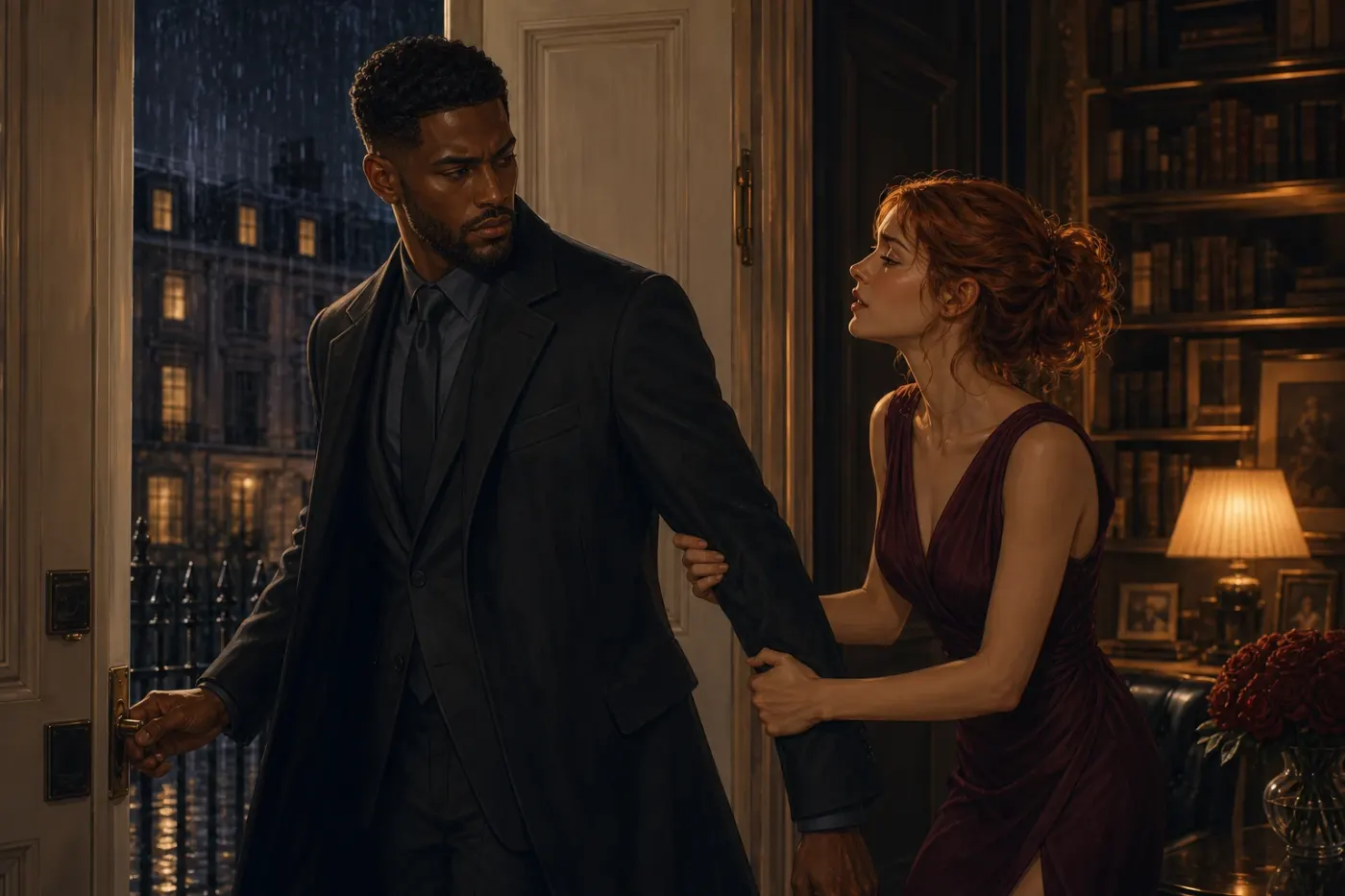
What Is Slow Burn Romance?
The long game of desire — stories where the tension builds so slowly it becomes almost unbearable before the reward arrives.
Where does your story begin?
Definition
Slow burn romance is a sub-genre of romantic fiction in which the development of the central romantic and/or sexual relationship unfolds gradually over an extended period. The tension — emotional, intellectual, and physical — accumulates deliberately, and the payoff (a confession, a first kiss, a consummation) is withheld until late in the narrative.
Why slow burn romance works psychologically
The appeal of slow burn romance is rooted in anticipation. Neuroscientific research on reward systems shows that dopamine — the neurotransmitter associated with pleasure — is released most intensely not when a reward arrives, but when it is expected and its timing is uncertain. Slow burn romance exploits this mechanism deliberately. The reader or listener knows the two characters will eventually come together; the pleasure lies in the not-yet.
This is why slow burn is particularly popular among women readers, who consistently report preferring narrative context and emotional depth in romantic fiction over immediate physical resolution. The relationship has to feel earned.
Key features of a slow burn narrative
A slow burn romance typically includes: an early meeting that establishes chemistry without resolution; a series of near-misses, misunderstandings, or deliberate denials; growing emotional intimacy that precedes physical intimacy; obstacles — internal or external — that create plausible reasons for the delay; and a payoff scene that is proportionate to the build-up. The best slow burn stories make the wait feel inevitable in retrospect. Every detail contributed to the tension.
Slow burn vs enemies-to-lovers vs forced proximity
Slow burn is a pacing structure, not a plot archetype. It can combine with many other romance tropes: enemies-to-lovers (two characters who begin in conflict slowly discover their attraction); forced proximity (characters thrown together by circumstance); or forbidden romance (where external barriers create the delay). Most enemies-to-lovers stories are slow burns by nature, because the shift from antagonism to attraction requires time and narrative work to feel credible.
If you want to explore enemies-to-lovers as a separate concept, we have a definition page for that too.
Requesting slow burn in a personalised audio story
When you create a story at The Private Story, you can specify slow burn as the desired pacing. This instructs the story generator to withhold resolution, build tension through charged interactions, and prioritise emotional intimacy over immediate physicality. You can combine slow burn with other preferences — dark romance, explicit content, specific character archetypes — and the pacing will adapt to your brief.
Explore personalised audio stories to understand how your preferences shape the narrative.
Famous slow burn examples in romance fiction
Without naming specific titles, slow burn romance is the dominant structure of romantasy (romantic fantasy) and new adult romance — two of the fastest-growing segments of the fiction market. It is also the backbone of most fan fiction, where extended tension across a long narrative is standard. The slow burn structure translates particularly well to audio, because the listener experiences the delay in real time, making the tension more visceral than in text. You can explore our slow burn audio stories page to see how the format works in practice, or create your own slow burn story right now.
Why slow burn works differently in audio than in text
When you read a slow burn story, you control the pace. You can skim, re-read, skip ahead to the payoff, or linger on a charged paragraph. Audio removes that control entirely. The story unfolds at the narrator's pace, in real time. The pause before a loaded line of dialogue is exactly as long as the narrator makes it. The moment before a first touch arrives exactly when the story decides it arrives — not a second sooner.
This makes slow burn in audio uniquely effective. The delay is not abstract; it is happening to you, in the present tense, in your ear. The restraint has duration. The tension accumulates in real time, which is much closer to how desire actually works in the body than reading about it on a page. For many listeners, slow burn audio stories deliver an intensity that equivalent text cannot match.
The most important moment in a slow burn story
The architecture of a slow burn depends on the near-miss: the moment where resolution almost happens and then doesn't. The interrupted kiss. The hand that reaches and withdraws. The confession that almost makes it out. These moments are the structural heartbeat of slow burn, and their effectiveness depends entirely on whether the build-up has been sufficient. A near-miss in the first chapter is just a tease. A near-miss at the three-quarter point of a story that has earned every preceding moment of tension is devastating.
Writing a near-miss well is one of the hardest craft problems in romantic fiction. It has to feel inevitable that the resolution didn't happen — the obstacle has to be plausible — and it has to leave the listener desperate for resolution rather than frustrated. When it works, the listener cannot stop. When you request slow burn at The Private Story, the story is structured around this logic: building toward a payoff that feels proportionate to everything that preceded it.
Frequently asked questions
Related reading
Ready to hear a story shaped around your imagination?
Create your personalised storyExplore Related
Personalised audio stories · Private audio stories · Create your own audio story · Discover all story types